

6 Warning Signs Your Forklift Hydraulic System Needs Attention
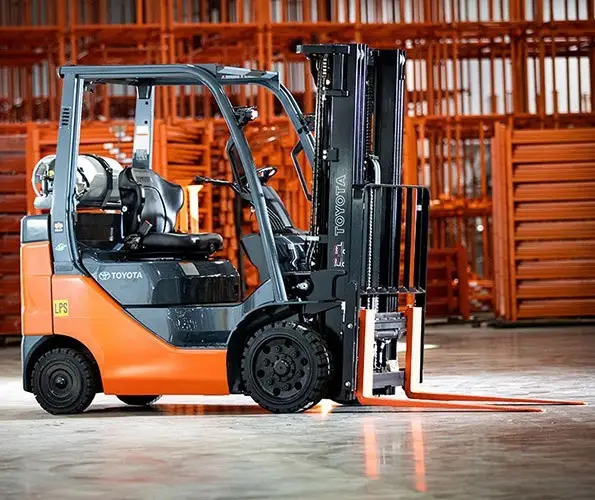
A forklift can keep working even after its hydraulic system starts showing signs of trouble. The lift may feel a little slower, the mast may move unevenly or an operator may notice a new noise. Those early changes are worth reporting. Waiting until the truck stops lifting altogether can turn a manageable service issue into an extensive and costly repair.
These six symptoms are reasons to have a qualified technician check the truck. They do not, by themselves, identify a failed part.
1. The forks lift or tilt more slowly than normal
A noticeable change in lift or tilt speed may point to a hydraulic issue, although the cause could involve other systems or operating conditions. Low fluid, restricted flow, worn components and other faults can affect performance. If the lift has slowed down, record when it happens and whether it changes with the load or after the truck has been running.
2. The mast moves in a jerky or uneven way
Lift and tilt movement should be controlled and predictable. Hesitation, surging or jerking can signal a problem that needs attention. A technician may need to inspect fluid condition, hydraulic components and the mechanical parts of the mast to determine the cause. Do not assume that replacing a filter alone will correct the symptom.
3. The mast drifts instead of holding position
If the mast or load begins to move when the controls are not being operated, stop using the truck and have it evaluated. Internal leakage or trouble with valves or cylinders may be involved. A drifting load creates a safety concern, especially when people are working nearby.
4. You notice hydraulic fluid leaking
Fluid around hoses, fittings, cylinders or under the truck should not be ignored. A leak can reduce the fluid available to the system and may signal a damaged hose, worn seal or loose connection. Hydraulic oil under pressure can cause serious injection injuries. Operators should never try to locate a pressurized leak with their hands.
5. The hydraulic pump sounds different
A new whining, grinding or unusually loud operating noise may indicate that the hydraulic system is not working as it should. Noise can have several causes, including fluid or pump-related problems. The useful detail for a technician is what changed: when the noise started, which function brings it on and whether it occurs every time.
6. Steering response becomes inconsistent
On forklifts that use hydraulic power steering, steering that suddenly feels slow, heavy or unpredictable may be linked to a hydraulic issue. Other steering components can also be responsible. Because steering directly affects control of the truck, remove it from service if it cannot be operated safely.
What should an operator do when these signs appear?
Do not keep operating a truck that appears unsafe. Follow the site’s lockout or out-of-service procedures, notify a supervisor and arrange an inspection by a qualified technician. The operator should share the symptoms rather than guess at the failed component.
A short description can save troubleshooting time. Note the forklift ID, operating hours, what the truck was doing, whether it was carrying a load and when the problem first appeared. If the issue is intermittent, that detail is especially helpful.
Can regular maintenance prevent these problems?
Routine hydraulic inspections and service can help identify leaks, contamination and wear before they become larger problems. Filter and fluid maintenance also protect the system, but they are not a substitute for diagnosing a truck that already has symptoms.
Maintenance intervals vary by model and use. ACT’s Toyota service training cites a 12-month or 2,000-hour interval for certain hydraulic return filters, but owners should follow the schedule for their specific forklift.
For more on planned service, read Forklift Hydraulic Maintenance: How to Prevent Costly Downtime.
Get a hydraulic problem checked before it grows
A change in lift performance, a hydraulic leak or unusual mast movement is a reason to act, not something to put on next month’s list. ACT services material handling equipment and can help determine what a forklift needs to return to safe, reliable operation.
Explore ACT’s repair and service capabilities or contact the ACT team to request service.
